
For the first time in almost a decade, we now have controls on undergraduate numbers for providers in England, and controls on the recruitment of English students who may want to cross the border of one the three other home countries
The Department for Education (DfE) has attempted to stabilise 2020 undergraduate recruitment by doing something which arguably manages to make it significantly less stable, and at the same time undo many years of trying to widen access.
Although the caps are not public, providers have just been told how many undergraduates they can recruit based on last year's numbers, plus whatever was forecast for 2020/21, plus another 5%.
Instead of the expected (and frequently threatened fine) over-recruitment will be punished by a reduced fee level next time round for providers in England, and there’s a reduced Student Loan Company payment for the devolved nation miscreants.
And if that's not enough to disadvantage increasing popular FECs (and the majority of HEIs), there's a competition for 5,000 additional student numbers in subjects without an obviously common economic or societal skills need, which has designed to be available (at least in part)only to “elite” institutions. Numbers in these subjects (architecture, science, maths, engineering, and veterinary science) will only be available to providers whose non-benchmarked continuation rate is over 90 per cent, and which have a highly skilled employment/further study rate of over 75 per cent, and I can't think of a single FEC with a student demographic profiles those measures will apply to.
But the most damaging aspect, at least as far as FECs and any basic concepts of sense is concerned, is that the Full Time Student Number includes Apprentices, and most of them only attend college for one day a week, some maybe just for an afternoon or evening, So since their employers consider them to be PT they pay only PT fees - and why wouldn't they? - and the students don't come with OfS funding, colleges are now punished for recruiting the students the government has spent the last few encouraging them to educate!!!
All of which leaves me struggling to think of a positive. It certainly isn't to the benefit of students now more likely to want to study locally instead of leaving home for an expensive university experience. And it's going to negatively impact FECs by hundreds of thousand of pounds.
Who comes up with ideas like this and why?
Thursday, 11 June 2020


Thursday, 28 May 2020
Cummings and Goings On
Reproduced in its entirety (almost) from https://threadreaderapp.com/thread/1265449109449777160.html
Written by: @RussInCheshire
1. Dominic Cummings, one of the few men to have ever been found in contempt of Parliament, moved onto contempt for everything
2. When the story broke, and he was accused of doing things that look bad, he said he didn't care how things looked
3. Then ministers said press outrage meant nothing, only the opinion of the people mattered
4. Then polls showed 52% of people wanted Cummings to resign
5. So Cummings decided to show the public some respect, by turning up 30 minutes late to make his explanation
6. He began by saying he wasn't speaking for the govt, which must be why he was in the Rose Garden of 10 Downing Street
7. Then the self-styled "enemy of the Islington media elite" said his wife, who works in the media, had been ill in their house in Islington
8. But she was only a bit ill, so he popped home, got himself nice and infected, then went back to Downing Street for meetings with lots of vitally important people in the middle of a national crisis
9. But then he got ill too, so then it was suddenly important
10. Sadly he couldn't get childcare in London, even though 3 immediate relatives live within 3 miles of his London home
11. So because he was carrying a virus that can cross a 2 metre distance and kill, he immediately locked himself in a car with his wife and child for 5 hours
12. He then drove 264 miles without stopping in a Land Rover that gets maybe 25 MPG
13. Then the scourge of the metropolitan elites made himself extra-relatable by describing his family's sprawling country estate, multiple houses and idyllic woodlands
14. He explained that he'd warned about a coronavirus years ago in his blog
15. Then it was revealed he actually secretly amended old blogs after he'd returned from Durham
16. And anyway, if he'd warned years ago, why was he so massively unprepared and slow to react
17. Then he said he was too ill to move for a week
18. But in the middle of that week, presumably with "wonky eyes", he drove his child to hospital
19. Then he said that to test his "wonky eyes" he put his wife and child in a car and drove 30 miles on public roads
20. Then it was revealed his wife drives, so there was no reason for the "eye test", cos she could have driven them back to London
21. Then it was revealed the "eye test" trip to a local tourist spot took place on his wife's birthday
22. Then cameras filmed as he threw a cup onto the table, smirked and left
23. And then it emerged his wife had written an article during the time in Dunham, describing their experience of being in lockdown in London, which you'd definitely do if you weren't hiding anything
24. A govt scientific advisor said "more people will die" as a result of what Cummings had done.
25. Boris Johnson said he "wouldn't mark Cummings " down for what he'd done.
26. The Attorney General said it was ok to break the law if you were acting on instinct
27. The Health Minister said it was OK to endanger public health if you meant well
28. Johnson said Cummings' "story rings true" because his own eyesight was fine before coronavirus, but now he needs glasses
29. But in an interview with The Telegraph 5 years ago, Johnson said he needed glasses cos he was "blind as a bat"
30. Michael Gove went on TV and said it was "wise" to drive 30 miles on public roads with your family in the car to test your eyesight
31. The DVLA tweeted that you should never, ever do this
32. Then ministers started claiming Cummings had to go to Durham because he feared crowds attacking his home. The streets were empty because we were observing the lockdown.
33. And then a minister finally resigned
34. Steve Baker, Richard Littlejohn, Isabel Oakeshott, Tim Montgomerie, Jan Moir, Ian Dale, Julia Hartley Brewer, 30 Tory MPs, half a dozen bishops and the actual Daily Mail said Cummings should go
35. The govt suggested we can ignore them, because they're all left-wingers
36. Then a vicar asked Matt Hancock if other people who had been fined for doing exactly what Cummings did would get their fine dropped. Matt Hancock said he'd suggest it to the govt
37. The govt said no within an hour. Cummings' statement had lasted longer than that
38. And if the guidelines were so clear, why were people being stopped and fined for driving to find childcare in the first place?
39. Then a new poll found people who wanted Cummings sacked had risen from 52% to 57%
40. Cummings is considered the smartest man in the govt
41. And in the middle of all this, in case we take our eye off it: we reached 60,000 deaths. One of the highest per capita death rates worldwide.
42. We still face Brexit under this lot.
43. It's 4 years until an election
44. And it's still only Wednesday
"Yeah but yeah but yeah but Stephen Kinnock"
1 Kinnock wasn't infected, so wasn't self isolating
2 Kinnock was delivering food to elderly parents: permitted
3 Labour didn't make the policy breached
4 Kinnock isn't an advisor to Starmer
5 Kinnock didn't attempt to hide it
6 Kinnock didn't break regulations on staying overnight
7 Kinnock's friends didn't say it was OK for *him* to break the law, just not everyone else
8 When Kinnock did it, two senior govt advisors in the UK hadn't already had to resign for the same offence
9 Kinnock's wife didn't write an article in The Spectator describing his experience of lockdown in London, which mislead the public
10 Kinnock wasn't required to inform the Number 10 of his whereabouts, meaning there's a bigger cover-up.
So. What happens next? Johnson will hope this blows over, and in a couple of weeks we'll all forget. But how likely is it people will forget their mum died alone?
Or that they couldn't meet their grandkids for months?
Or their business failed cos nobody could leave home?
They say everyone remembered where they were when Kennedy was shot, or 9/11 happened.
Well this is similar, but it didn't happen miles away - it happened in your home.
We will all remember Covid19, even if we lost nobody.
And Cummings is a key event.
It won't be forgotten.
The instinct for Johnson will be: make something big happen that drags attention away.
But what big announcement could there be?
His schools thing yesterday was totally ignored.
Any "we're opening" announcement will be met by distrust and fear. That route out is closed ..
Written by: @RussInCheshire
1. Dominic Cummings, one of the few men to have ever been found in contempt of Parliament, moved onto contempt for everything
2. When the story broke, and he was accused of doing things that look bad, he said he didn't care how things looked
3. Then ministers said press outrage meant nothing, only the opinion of the people mattered
4. Then polls showed 52% of people wanted Cummings to resign
5. So Cummings decided to show the public some respect, by turning up 30 minutes late to make his explanation
6. He began by saying he wasn't speaking for the govt, which must be why he was in the Rose Garden of 10 Downing Street
7. Then the self-styled "enemy of the Islington media elite" said his wife, who works in the media, had been ill in their house in Islington
8. But she was only a bit ill, so he popped home, got himself nice and infected, then went back to Downing Street for meetings with lots of vitally important people in the middle of a national crisis
9. But then he got ill too, so then it was suddenly important
10. Sadly he couldn't get childcare in London, even though 3 immediate relatives live within 3 miles of his London home
11. So because he was carrying a virus that can cross a 2 metre distance and kill, he immediately locked himself in a car with his wife and child for 5 hours
12. He then drove 264 miles without stopping in a Land Rover that gets maybe 25 MPG
13. Then the scourge of the metropolitan elites made himself extra-relatable by describing his family's sprawling country estate, multiple houses and idyllic woodlands
14. He explained that he'd warned about a coronavirus years ago in his blog
15. Then it was revealed he actually secretly amended old blogs after he'd returned from Durham
16. And anyway, if he'd warned years ago, why was he so massively unprepared and slow to react
17. Then he said he was too ill to move for a week
18. But in the middle of that week, presumably with "wonky eyes", he drove his child to hospital
19. Then he said that to test his "wonky eyes" he put his wife and child in a car and drove 30 miles on public roads
20. Then it was revealed his wife drives, so there was no reason for the "eye test", cos she could have driven them back to London
21. Then it was revealed the "eye test" trip to a local tourist spot took place on his wife's birthday
22. Then cameras filmed as he threw a cup onto the table, smirked and left
23. And then it emerged his wife had written an article during the time in Dunham, describing their experience of being in lockdown in London, which you'd definitely do if you weren't hiding anything
24. A govt scientific advisor said "more people will die" as a result of what Cummings had done.
25. Boris Johnson said he "wouldn't mark Cummings " down for what he'd done.
26. The Attorney General said it was ok to break the law if you were acting on instinct
27. The Health Minister said it was OK to endanger public health if you meant well
28. Johnson said Cummings' "story rings true" because his own eyesight was fine before coronavirus, but now he needs glasses
29. But in an interview with The Telegraph 5 years ago, Johnson said he needed glasses cos he was "blind as a bat"
30. Michael Gove went on TV and said it was "wise" to drive 30 miles on public roads with your family in the car to test your eyesight
31. The DVLA tweeted that you should never, ever do this
32. Then ministers started claiming Cummings had to go to Durham because he feared crowds attacking his home. The streets were empty because we were observing the lockdown.
33. And then a minister finally resigned
34. Steve Baker, Richard Littlejohn, Isabel Oakeshott, Tim Montgomerie, Jan Moir, Ian Dale, Julia Hartley Brewer, 30 Tory MPs, half a dozen bishops and the actual Daily Mail said Cummings should go
35. The govt suggested we can ignore them, because they're all left-wingers
36. Then a vicar asked Matt Hancock if other people who had been fined for doing exactly what Cummings did would get their fine dropped. Matt Hancock said he'd suggest it to the govt
37. The govt said no within an hour. Cummings' statement had lasted longer than that
38. And if the guidelines were so clear, why were people being stopped and fined for driving to find childcare in the first place?
39. Then a new poll found people who wanted Cummings sacked had risen from 52% to 57%
40. Cummings is considered the smartest man in the govt
41. And in the middle of all this, in case we take our eye off it: we reached 60,000 deaths. One of the highest per capita death rates worldwide.
42. We still face Brexit under this lot.
43. It's 4 years until an election
44. And it's still only Wednesday
"Yeah but yeah but yeah but Stephen Kinnock"
1 Kinnock wasn't infected, so wasn't self isolating
2 Kinnock was delivering food to elderly parents: permitted
3 Labour didn't make the policy breached
4 Kinnock isn't an advisor to Starmer
5 Kinnock didn't attempt to hide it
6 Kinnock didn't break regulations on staying overnight
7 Kinnock's friends didn't say it was OK for *him* to break the law, just not everyone else
8 When Kinnock did it, two senior govt advisors in the UK hadn't already had to resign for the same offence
9 Kinnock's wife didn't write an article in The Spectator describing his experience of lockdown in London, which mislead the public
10 Kinnock wasn't required to inform the Number 10 of his whereabouts, meaning there's a bigger cover-up.
So. What happens next? Johnson will hope this blows over, and in a couple of weeks we'll all forget. But how likely is it people will forget their mum died alone?
Or that they couldn't meet their grandkids for months?
Or their business failed cos nobody could leave home?
They say everyone remembered where they were when Kennedy was shot, or 9/11 happened.
Well this is similar, but it didn't happen miles away - it happened in your home.
We will all remember Covid19, even if we lost nobody.
And Cummings is a key event.
It won't be forgotten.
The instinct for Johnson will be: make something big happen that drags attention away.
But what big announcement could there be?
His schools thing yesterday was totally ignored.
Any "we're opening" announcement will be met by distrust and fear. That route out is closed ..
Wednesday, 6 May 2020
Raging Against the Machine is Rational, not Heartless
There was an article in yesterday's Times where one of the columnists tried to make a case that supporting governmental panic and the imposition of arbitrary authority by enforcing the current lockdown is a rational position.
Melanie Phillips lauds the Prime Minister's refusal to offer any serious prospect that the deprivation of personal liberty and economic strangulation may be nearing the end. She goes as far as to state that "Urged days ago to announce a speedy exit from lockdown, he has refused to be pushed. He'll set out his plan next week amid signs that restrictions will be lifted only slowly. This has taken courage."
I don't know anything about Ms Phillips's background or expertise, but in my opinion, this is ridiculous: we've not been supplied with any evidence to support claims that the lockdown policy has succeed. Even the government's official figures, now exaggerated by imprecise recording methods and the inclusion of categories not thought necessary a week or so ago, align more to my predictions from early March than those of the Imperial College model.
The much-vaunted new intensive care hospitals haven't been needed - 100 patients treated in total at the London Nightingale when there are 4000 beds! - and nor in my opinion will they be. Any assertions that this is because of the lockdown doesn't have any obvious basis. Just because B follows A doesn't mean that B caused A. It doesn't take "courage" for a largely pointless policy to have its outcome smoothly misrepresented as a success, courage would be the admission that the draconian restrictions on our civil liberties are an error.
The case against the PM's panic policy is not some arbitrary transient choice between compassion and money/freedom, or the worry that governments given or allowed the powers ours now has have always been reluctant to part with them. Melanie Phillips doesn't appear to care: "Yet among people for whom damage to the economy outweighs all other considerations, there's no acknowledgment of Johnson's complex balancing act. For such people, lockdown must end immediately. Some of them claim, moreover, that there never was any need for it in the first place. The virus, they say (with scant regard for either humanity or settled facts) poses no serious threat because it only kills relatively few old people or those who would have died this year anyway." and adds that "A dismaying number of these "economy-firsters" have seized on certain statistical studies to claim that the virus death rate is lower than had been forecast and therefore Covid-19 is not so dangerous after all."
Well I'm most definitely not an "economy-firster", and would like to think that I'm compassionate, sensitive and understanding (although my wife may disagree!), but you don't need statistical studies to know that the forecasts on which the Panic Policy was based were flawed: the empty Nightingale Hospitals show that.
The question is simply whether the government’s actions have caused the death rate to fall to "manageable levels", or whether they haven't, despite Ms Phillips assertion that "it's only because of the lockdown that it's under control". At the moment, without any evidence whatsoever to back that claim up, the jury is still very much out on that one.
Ms Phillips adds: "But all these statistical calculations are suspect because we still don't know how many have been infected, nor how many have died." Well, it is true that we won't really know how many have died until the outbreak is over, but even then it will be almost impossible as there is no rigour to the way deaths are attributed to Covid-19: They appear to be have been simultaneously over-estimated (in general) and under-estimated (in care homes).
I've got no doubt that there are heartless individuals "with scant regard for either humanity or settled facts", it is very, very wrong to suggest that they are the only people who oppose the PM's policy.
Some of us are not materialist. We simply analysed the data we had available and came to a very different conclusion, and we've yet to be proven wrong.
Nobody I know, and nobody any of them knows, has had, let alone died from Covid-19, which strongly suggests that the Lockdown Panic Measures are an unnecessary danger to the long-term life and health of the British public. We are going to end up living in a country which will not be able to sustain the health and welfare services we currently take for granted and which won't be able to afford the living standards which sustain health.
And all in response to a problem which even the government's chief advisor knew was never the size he'd claimed it to be, otherwise he'd have kept to his own social distancing values wouldn't he?
Melanie Phillips lauds the Prime Minister's refusal to offer any serious prospect that the deprivation of personal liberty and economic strangulation may be nearing the end. She goes as far as to state that "Urged days ago to announce a speedy exit from lockdown, he has refused to be pushed. He'll set out his plan next week amid signs that restrictions will be lifted only slowly. This has taken courage."
I don't know anything about Ms Phillips's background or expertise, but in my opinion, this is ridiculous: we've not been supplied with any evidence to support claims that the lockdown policy has succeed. Even the government's official figures, now exaggerated by imprecise recording methods and the inclusion of categories not thought necessary a week or so ago, align more to my predictions from early March than those of the Imperial College model.
The much-vaunted new intensive care hospitals haven't been needed - 100 patients treated in total at the London Nightingale when there are 4000 beds! - and nor in my opinion will they be. Any assertions that this is because of the lockdown doesn't have any obvious basis. Just because B follows A doesn't mean that B caused A. It doesn't take "courage" for a largely pointless policy to have its outcome smoothly misrepresented as a success, courage would be the admission that the draconian restrictions on our civil liberties are an error.
The case against the PM's panic policy is not some arbitrary transient choice between compassion and money/freedom, or the worry that governments given or allowed the powers ours now has have always been reluctant to part with them. Melanie Phillips doesn't appear to care: "Yet among people for whom damage to the economy outweighs all other considerations, there's no acknowledgment of Johnson's complex balancing act. For such people, lockdown must end immediately. Some of them claim, moreover, that there never was any need for it in the first place. The virus, they say (with scant regard for either humanity or settled facts) poses no serious threat because it only kills relatively few old people or those who would have died this year anyway." and adds that "A dismaying number of these "economy-firsters" have seized on certain statistical studies to claim that the virus death rate is lower than had been forecast and therefore Covid-19 is not so dangerous after all."
Well I'm most definitely not an "economy-firster", and would like to think that I'm compassionate, sensitive and understanding (although my wife may disagree!), but you don't need statistical studies to know that the forecasts on which the Panic Policy was based were flawed: the empty Nightingale Hospitals show that.
The question is simply whether the government’s actions have caused the death rate to fall to "manageable levels", or whether they haven't, despite Ms Phillips assertion that "it's only because of the lockdown that it's under control". At the moment, without any evidence whatsoever to back that claim up, the jury is still very much out on that one.
Ms Phillips adds: "But all these statistical calculations are suspect because we still don't know how many have been infected, nor how many have died." Well, it is true that we won't really know how many have died until the outbreak is over, but even then it will be almost impossible as there is no rigour to the way deaths are attributed to Covid-19: They appear to be have been simultaneously over-estimated (in general) and under-estimated (in care homes).
I've got no doubt that there are heartless individuals "with scant regard for either humanity or settled facts", it is very, very wrong to suggest that they are the only people who oppose the PM's policy.
Some of us are not materialist. We simply analysed the data we had available and came to a very different conclusion, and we've yet to be proven wrong.
Nobody I know, and nobody any of them knows, has had, let alone died from Covid-19, which strongly suggests that the Lockdown Panic Measures are an unnecessary danger to the long-term life and health of the British public. We are going to end up living in a country which will not be able to sustain the health and welfare services we currently take for granted and which won't be able to afford the living standards which sustain health.
And all in response to a problem which even the government's chief advisor knew was never the size he'd claimed it to be, otherwise he'd have kept to his own social distancing values wouldn't he?
Friday, 3 April 2020
Terminal or Terminology Error?
I was triangulating some background research as part of a series of "What-If" planning scenarios for College Based Higher Education from September onwards (student numbers, financial impact on partner HEIs, etc) and when looking at the government's own High Consequence Infectious Disease page was surprised to discover that Covid-19 isn't one of them.
Had I been reading the website two days ago, I might have thought it to be some sort of April Fools joke, but we're apparently in full stay-at-home lockdown for something that the 4 Nations Public Health HCID Group and the Advisory Committee on Dangerous Pathogens (ACDP) do not consider Covid-19 to meet the following criteria:
•acute infectious disease
•typically has a high case-fatality rate
•may not have effective prophylaxis or treatment •often difficult to recognise and detect rapidly
•ability to spread in the community and within healthcare settings
•requires an enhanced individual, population and system response to ensure it is managed effectively, efficiently and safely
So what's really going on, and why?

Had I been reading the website two days ago, I might have thought it to be some sort of April Fools joke, but we're apparently in full stay-at-home lockdown for something that the 4 Nations Public Health HCID Group and the Advisory Committee on Dangerous Pathogens (ACDP) do not consider Covid-19 to meet the following criteria:
•acute infectious disease
•typically has a high case-fatality rate
•may not have effective prophylaxis or treatment •often difficult to recognise and detect rapidly
•ability to spread in the community and within healthcare settings
•requires an enhanced individual, population and system response to ensure it is managed effectively, efficiently and safely
So what's really going on, and why?

Tuesday, 24 March 2020
Orwell's 1984: From Novel to Manifesto
I wasn't aware that Boris was going to make an announcement of any kind last night due to binge watching Bulletproof2 all day, so it was just a coincidence that I started watching ordinary TV just as "ordinary" life disappeared: The Prime Minister was addressing what until 8:30pm had been a free country and telling its population that we now live in a police state.
I, all my family and all my friends, have been placed under house arrest without even being accused of a crime - we're guilty of ??? Well what exactly ???? I went out yesterday and didn't see one single person stood closer than five feet to anybody else: in my locality social distancing was more than just observed, it was respected.
Boris said it was "for own my good". Really? Confined to the house, deprived of social contact, restricted diet, no exercise except walking once a day or going for a bike ride (that'd be nice - I live at the top of a very steep hill: Chris Hoy would have issues!), unable to replace anything unless it's on his list of essentials?
My analysis of currently available (publicly anyway) data suggests that Covid-19 might end up being responsible for around 2500 UK deaths, not the 250,000 or so which could possibly justify "solutions" which as Donald Trump has said may be worse than the problem.
I don't think it should be beyond the intellect of our government to realise that Northern Italy has some of the worst air pollution in Europe (at least until the last two weeks according to European Air Quality Index), so is it not likely that after decades of breathing it, the local elderly develop respiratory problems?
Nearly all Covid-19-related fatalities have "underlying health issues" (or so we're told), and thousands die globally infected with some type of coronavirus such as influenza, so we the people of the UK have now had our civil liberties removed in what may be just an attempt to prevent one particular coronavirus, (Covid-19), from replacing others as the bedfellow of those "underlying health issues"?
I can't find any worst-case predictions for Covid-19 causing a massive increase over and above the current coronavirus situation, and we haven't been told how many ‘corona-deaths’ were of people infected with Covid-19 but didn’t necessarily die of it, just what appears to be an assumption that without Covid-19 they'd still be alive.
When we have so many unknowns, and so little reliable data, how can last night's announcement be justified? What will be the results of shutting down the economy? It's very likely that unemployment will rise dramatically, and crime will rise along with it. Mental Health issues will increase, families with dysfunctional or dangerous relationships will begin to collapse, and the elderly all this is supposed to be protecting get a worse quality of life due to isolation, so may end up with reduced life expectancy anyway.
An economic depression will definitely result in poverty, pain and death which may vastly outweigh the current pandemic crisis, and that may just re-set and re-start when our brave new world has its draconian restrictions lifted.
And what if they're not?
What if our government decides that going back to how we were just a few days ago isn't safe for other reasons?
Civil unrest due to the inevitable shortages of whatever goods, services and products we've come to expect or rely on?
Climate change?
Maybe they'll just get to like the privilege, power and authority?
I'm sat here blogging instead of doing anything more productive, or simply playing golf in the sunshine, because isolation is "for my own good", and that's precisely what many of the vulnerable students I used to teach told me was something their abusive parents said to them as a justification for their cruelty or neglect.
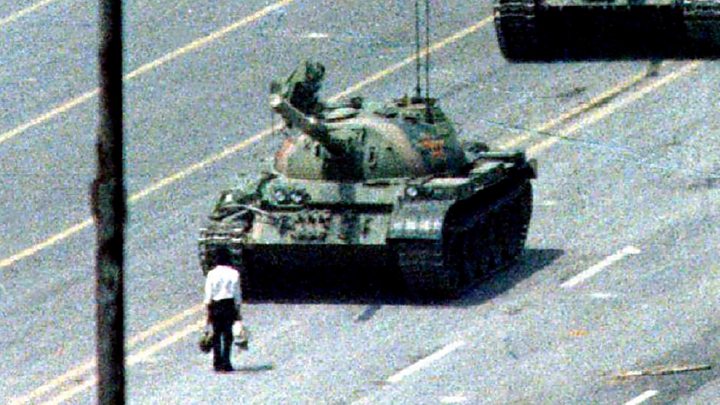
None of this feels as if it's for my benefit, and that's without me thinking that the pandemic effects haven't been modelled on statistically robust data (unless of course Boris is privvy to information we've not been given), so on balance I'm already leading towards contracting Covid-19 and seeing what happens as a preference to eventually standing in front of an army tank because I want to see my daughter and seeing if that really is safer.
Thursday, 19 March 2020
The Way I See It
The media (and the UK government earlier today) is calling Covid-19 a once-in-a-century pandemic, but it might also be a once-in-a-century series of interconnected chaotic global responses to a problem that hasn't been adequately defined.
Many countries have introduced draconian measures in an attempt to counteract the disease, but as far as I can tell, there just isn't enough reliable evidence as to the numbers infected, or continuing to become infected, for governments and modellers to make such monumental decisions or to monitor their impact.
If the pandemic dissipates, whether that's on its own or as a result of social distancing and lock-downs, the impact of it may allow the world to return to something like "normal", whatever that will mean for the next decade or so. However, if the pandemic continues to spread around the world, how will those making the decisions be able to ascertain whether they've made a positive or negative impact when the consequences of long-term lockdowns are unknown and vaccines or affordable treatments take years to develop and test properly.
The data collected so far (or at least the information I've been able to find), on the number of people infected and how the epidemic is evolving don't appear to be particularly reliable statistically speaking as it's probably safe to assume that some deaths and the vast majority of Covid-19 infections are being missed due to the limits on testing. Therefore, it's impossible to state with any degree of confidence if we are failing to capture instances of coronavirus by a factor of three or 300 as few countries, if any, can test a large number of people and so don't know how prevalent the virus is in a random sample of the general population.
This creates a tremendous amount of uncertainty about the risk of dying from Covid-19 as the reported fatality rates (according to the World Health Organisation it's 3.4%) don't just create fear and panic, they're completely meaningless. As far as I can tell, those who have been tested for Covid-19 are disproportionately patients of some description with severe symptoms and bad outcomes, and since few health systems have unlimited testing capacity, this sample selection bias will only get worse.
There has been only one instance of testing an entire, closed population, that of the passengers and crew of the Diamond Princess cruise ship where the case fatality rate was 1.0%, but it needs to be noted that this was a predominantly elderly demographic for whom the Covid-19 death rate is thought to be higher than the general population.
Taking the Diamond Princess mortality rate and applying it across the age structure of the UK, our death rate of people from (or possibly with) coronavirus would be 0.125%. However, we need to caveat that as this calculation uses what I consider to be extremely thin base data (7 deaths from 712 out of almost 4000 on board) the true death rate could be one fifth of that (0.025%), or five times higher (0.625%).
We also need to consider the possibility that some of those infected may die later, and that cruise ship tourists may not be truly representative of the rest of the developed world (i.e. their lifestyle, on or off ship, may mean they have different frequencies of chronic diseases) so if we say double those base estimates we get a varying case fatality ratio somewhere between 0.05% and 1.25% across a country like ours.
That difference indicates the risk of what is being done as a population-wide fatality rate of 0.05% is lower than seasonal influenza, which if it is the true proportion, the world's global lock-down and its likely social and financial consequences is not at all rational.
Now of course the Covid-19 case fatality rate isn't likely to be that low, and there are many common-cold-type viruses that have case fatality rates up to 10% when they infect the elderly, particularly if they're residents of nursing homes, but these “mild” coronaviruses may be implicated in several thousands of worldwide deaths every year without the vast majority being tested for their existence.
We've had successful influenza surveillance systems for decades, and typically something like 20% of laboratory tests confirm its presence in the samples sent for testing, while the estimated number of annual influenza-like deaths in the UK is between 4,500 and 11,000, therefore a positive test for coronavirus should not mean necessarily that this virus is always primarily responsible for a patient’s demise.
If we take a mid-range guess from my Diamond Princess analysis of say 0.3% as the case fatality rate of individuals with Covid-19, and assume that 15% of the UK gets infected (7,000,000 people), that translates to about 30,000 deaths, but without anybody knowing there was a new virus this would just get buried in the annual noise of deaths due to an influenza-like illness.
According to the Office for National Statistics, this year's death rate remains below its five-year average, and a long way under the levels of 2017-18, but even if the 2,100 were to be added to that total we might casually just note that this season's flu seems to be a bit worse than average, and the media coverage would be proportionate to that which accompanies the marriage of two minor celebrities.
It's obvious from the empty shelves in our local supermarkets that many people are worried that the 104 deaths from (or with as it should probably be more accurately labelled) Covid-19 in the UK as of right now is going to increase exponentially to 520, 2600, 13,000, 65,000 ... and that the pattern will be similar all over the planet, but is that realistic? At what point will the curve flatten as our Chief Medical Officer keeps talking about every time he's on TV?
Statistically speaking, we can't answer those questions without knowing the current prevalence of the infection in a random sample of a population, then repeating the exercise at pre-defined time intervals to estimate the incidence of new infections, but unfortunately that's information we don’t have.
So in the absence of data, we've got prepare-for-the-worst reasoning which has led to lock-downs and social distancing without knowing if these measures have any sort of positive impact. Closing the nation's colleges may reduce transmission rates, but it may backfire if students socialise anyway, and the school closures might mean children spend more time with susceptible grandparents, or disrupt their parents ability to work.
And looking further forward, with the caveat that I know next to nothing about virology, might school closures also have the potential to reduce the nation's chances of developing long-term herd immunity in an age group that is apparently free of serious disease?
"Flattening the curve" to avoid overwhelming the NHS as our country is apparently attempting to do is admittedly conceptually sound because it theoretically means that other common diseases and conditions can be adequately treated. However, if the epidemic does overwhelm the health system and these extreme measures have only modest effectiveness, flattening the curve could make things worse by crippling the NHS for longer instead of a short, admittedly acute, period of time.
The bottom line is that we simply don't know how long lock-downs and social distancing can be maintained without irreversibly crippling our economy, and destroying the fabric of society for generations, possibly even to the extent of civil unrest and long-term mental health issues.
The very minimum we need right now is unbiased prevalence and incidence data, and that means not prioritising testing for those suspected of infection, but a true random population sample so that governments can make evidence-based decisions, not ones based entirely on theories and models.
The most pessimistic scenario I've had on my TV this week, and one that my maths mean I really don't subscribe to, is that Covid-19 might infect 60% of the population before we develop a herd immunity and if only 1% of infected people die, there'll be more than 40 million deaths globally. And since that would make Covid-19 as deadly as 1918's Spanish Flu (although in this case the deaths would be mainly the elderly or people with pre-existing conditions), this is the justification for lock-downs and social distancing, making them not just desirable, but imperative.
Hopefully, rather like back in 1918, life as we know it can continue, at least in something resembling civilised societies, but lock-downs of months and years have consequences we can only guess at, and the lives of billions, not just millions, will be impacted, so we really ought to have some data before continuing with these plans to jump off the cliff just in case there is a chance of actually landing somewhere safe.
Many countries have introduced draconian measures in an attempt to counteract the disease, but as far as I can tell, there just isn't enough reliable evidence as to the numbers infected, or continuing to become infected, for governments and modellers to make such monumental decisions or to monitor their impact.
If the pandemic dissipates, whether that's on its own or as a result of social distancing and lock-downs, the impact of it may allow the world to return to something like "normal", whatever that will mean for the next decade or so. However, if the pandemic continues to spread around the world, how will those making the decisions be able to ascertain whether they've made a positive or negative impact when the consequences of long-term lockdowns are unknown and vaccines or affordable treatments take years to develop and test properly.
The data collected so far (or at least the information I've been able to find), on the number of people infected and how the epidemic is evolving don't appear to be particularly reliable statistically speaking as it's probably safe to assume that some deaths and the vast majority of Covid-19 infections are being missed due to the limits on testing. Therefore, it's impossible to state with any degree of confidence if we are failing to capture instances of coronavirus by a factor of three or 300 as few countries, if any, can test a large number of people and so don't know how prevalent the virus is in a random sample of the general population.
This creates a tremendous amount of uncertainty about the risk of dying from Covid-19 as the reported fatality rates (according to the World Health Organisation it's 3.4%) don't just create fear and panic, they're completely meaningless. As far as I can tell, those who have been tested for Covid-19 are disproportionately patients of some description with severe symptoms and bad outcomes, and since few health systems have unlimited testing capacity, this sample selection bias will only get worse.
There has been only one instance of testing an entire, closed population, that of the passengers and crew of the Diamond Princess cruise ship where the case fatality rate was 1.0%, but it needs to be noted that this was a predominantly elderly demographic for whom the Covid-19 death rate is thought to be higher than the general population.
Taking the Diamond Princess mortality rate and applying it across the age structure of the UK, our death rate of people from (or possibly with) coronavirus would be 0.125%. However, we need to caveat that as this calculation uses what I consider to be extremely thin base data (7 deaths from 712 out of almost 4000 on board) the true death rate could be one fifth of that (0.025%), or five times higher (0.625%).
We also need to consider the possibility that some of those infected may die later, and that cruise ship tourists may not be truly representative of the rest of the developed world (i.e. their lifestyle, on or off ship, may mean they have different frequencies of chronic diseases) so if we say double those base estimates we get a varying case fatality ratio somewhere between 0.05% and 1.25% across a country like ours.
That difference indicates the risk of what is being done as a population-wide fatality rate of 0.05% is lower than seasonal influenza, which if it is the true proportion, the world's global lock-down and its likely social and financial consequences is not at all rational.
Now of course the Covid-19 case fatality rate isn't likely to be that low, and there are many common-cold-type viruses that have case fatality rates up to 10% when they infect the elderly, particularly if they're residents of nursing homes, but these “mild” coronaviruses may be implicated in several thousands of worldwide deaths every year without the vast majority being tested for their existence.
We've had successful influenza surveillance systems for decades, and typically something like 20% of laboratory tests confirm its presence in the samples sent for testing, while the estimated number of annual influenza-like deaths in the UK is between 4,500 and 11,000, therefore a positive test for coronavirus should not mean necessarily that this virus is always primarily responsible for a patient’s demise.
If we take a mid-range guess from my Diamond Princess analysis of say 0.3% as the case fatality rate of individuals with Covid-19, and assume that 15% of the UK gets infected (7,000,000 people), that translates to about 30,000 deaths, but without anybody knowing there was a new virus this would just get buried in the annual noise of deaths due to an influenza-like illness.
According to the Office for National Statistics, this year's death rate remains below its five-year average, and a long way under the levels of 2017-18, but even if the 2,100 were to be added to that total we might casually just note that this season's flu seems to be a bit worse than average, and the media coverage would be proportionate to that which accompanies the marriage of two minor celebrities.
It's obvious from the empty shelves in our local supermarkets that many people are worried that the 104 deaths from (or with as it should probably be more accurately labelled) Covid-19 in the UK as of right now is going to increase exponentially to 520, 2600, 13,000, 65,000 ... and that the pattern will be similar all over the planet, but is that realistic? At what point will the curve flatten as our Chief Medical Officer keeps talking about every time he's on TV?
Statistically speaking, we can't answer those questions without knowing the current prevalence of the infection in a random sample of a population, then repeating the exercise at pre-defined time intervals to estimate the incidence of new infections, but unfortunately that's information we don’t have.
So in the absence of data, we've got prepare-for-the-worst reasoning which has led to lock-downs and social distancing without knowing if these measures have any sort of positive impact. Closing the nation's colleges may reduce transmission rates, but it may backfire if students socialise anyway, and the school closures might mean children spend more time with susceptible grandparents, or disrupt their parents ability to work.
And looking further forward, with the caveat that I know next to nothing about virology, might school closures also have the potential to reduce the nation's chances of developing long-term herd immunity in an age group that is apparently free of serious disease?
"Flattening the curve" to avoid overwhelming the NHS as our country is apparently attempting to do is admittedly conceptually sound because it theoretically means that other common diseases and conditions can be adequately treated. However, if the epidemic does overwhelm the health system and these extreme measures have only modest effectiveness, flattening the curve could make things worse by crippling the NHS for longer instead of a short, admittedly acute, period of time.
The bottom line is that we simply don't know how long lock-downs and social distancing can be maintained without irreversibly crippling our economy, and destroying the fabric of society for generations, possibly even to the extent of civil unrest and long-term mental health issues.
The very minimum we need right now is unbiased prevalence and incidence data, and that means not prioritising testing for those suspected of infection, but a true random population sample so that governments can make evidence-based decisions, not ones based entirely on theories and models.
The most pessimistic scenario I've had on my TV this week, and one that my maths mean I really don't subscribe to, is that Covid-19 might infect 60% of the population before we develop a herd immunity and if only 1% of infected people die, there'll be more than 40 million deaths globally. And since that would make Covid-19 as deadly as 1918's Spanish Flu (although in this case the deaths would be mainly the elderly or people with pre-existing conditions), this is the justification for lock-downs and social distancing, making them not just desirable, but imperative.
Hopefully, rather like back in 1918, life as we know it can continue, at least in something resembling civilised societies, but lock-downs of months and years have consequences we can only guess at, and the lives of billions, not just millions, will be impacted, so we really ought to have some data before continuing with these plans to jump off the cliff just in case there is a chance of actually landing somewhere safe.
Friday, 13 March 2020

Subscribe to:
Posts (Atom)